Lice Prevention Tips for Back to School
March 1, 2021


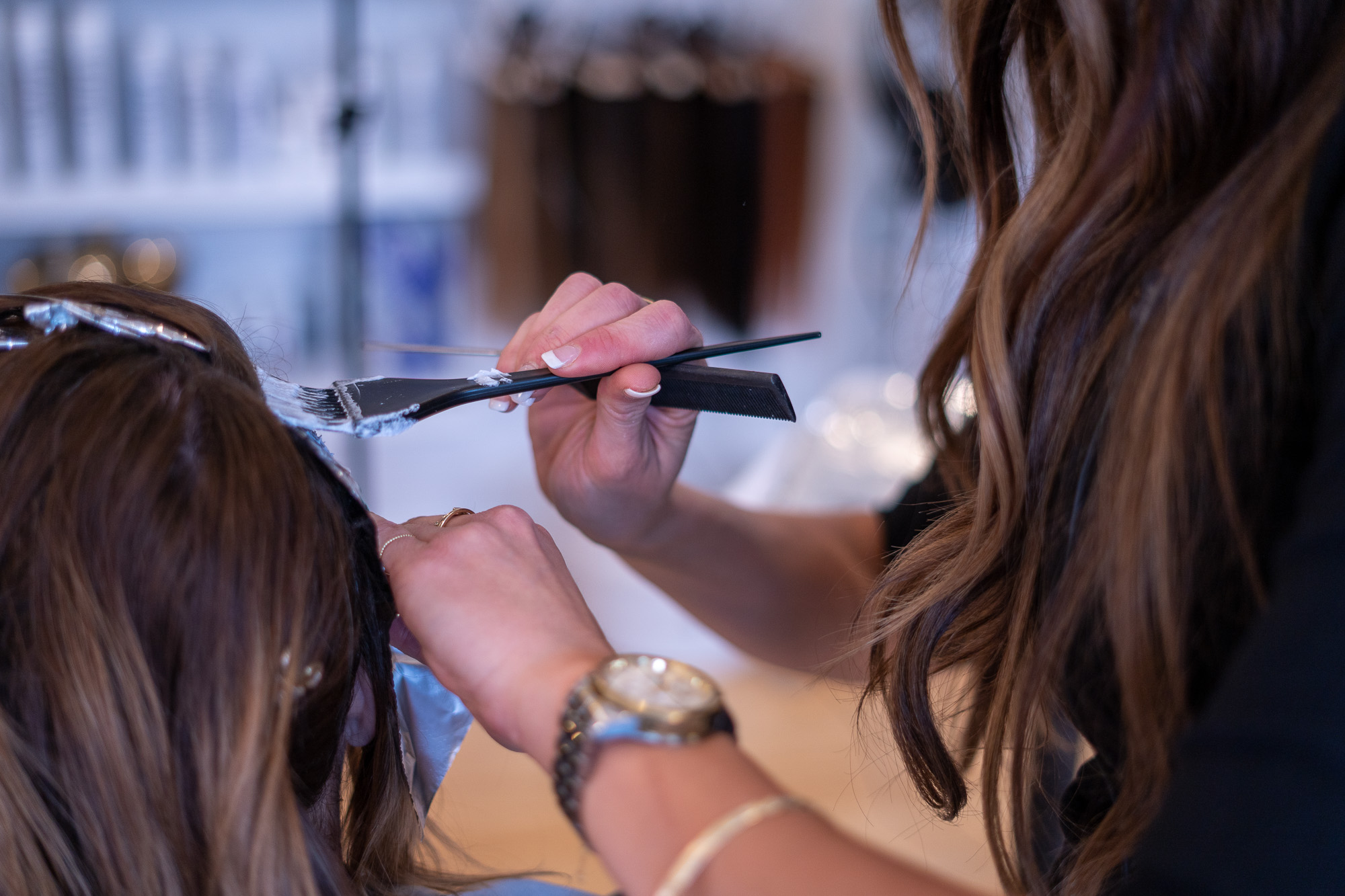
If you want to know how to keep hair color from fading, here is the short version I give every client at the shampoo bowl: wash less often with cool water and a sulfate-free, color-safe shampoo, wait 48 to 72 hours after coloring before your first wash, use a weekly deep-conditioning mask, turn down your hot tools and always use heat protectant, and shield your hair from UV sun exposure with a hat or a UV spray. Salon color is an investment, and a few small habit changes can make that color last so much longer. I am Shannon, and I have spent years helping women in Longmont keep their color rich and their hair healthy, so let me walk you through exactly how I do it.
Understanding why color fades is the fastest way to prevent color fading in the first place. Color does not just "wear off" your hair. It leaves through the cuticle, one wash and one hot shower at a time.
Your hair strand is wrapped in a protective outer layer called the cuticle, which lies flat like shingles on a roof. When we color your hair, we open that cuticle to deposit pigment underneath, then close it back down to seal the color in. Anything that lifts or swells that cuticle again (heat, harsh detergents, sun, hard water) gives those color molecules a path to escape. Smaller pigment molecules, like the ones in vibrant reds and fashion tones, slip out fastest, which is why those shades are famous for fading quickest.
The three biggest everyday culprits are water, heat, and sun. Hot water reopens the cuticle and lets color escape, which is why washing every three to four days instead of daily makes such a difference (Source: Madison Reed, https://www.madison-reed.com/blog/9-ways-to-avoid-hair-color-fading). Hot tools do the same thing from the outside, cooking moisture and pigment out of the strand. And the sun is a quiet fader: UV exposure breaks pigment down over time. In one 2025 study, higher-SPF hair protection meaningfully cut UV color change, with the measured color difference dropping from 5.24 at SPF 16 to 2.62 at SPF 63 (Source: Oh et al., 2025, https://pmc.ncbi.nlm.nih.gov/articles/PMC12712344/). Protection works. That is the whole reason I am so particular about it.
Some fading comes down to the service itself. If you are still deciding between balayage, foils and a gloss, I compare them in my guide to hair coloring services in Longmont.
These are the same hair color maintenance tips I share with clients who want to make hair color last longer between appointments. None of them are complicated, and together they add up to weeks of extra vibrancy.
Right after your appointment, that cuticle is still settling and the pigment is still bonding to the strand. Give it a full 48 to 72 hours before your first shampoo. This single step is one of the easiest ways to make hair color last longer, and it costs you nothing but a little patience.
Every wash is an opportunity for color to leave, so stretch your washes to every three to four days and use cool or lukewarm water, especially for your final rinse. I know a hot shower feels wonderful, but hot water is one of the main reasons color slips out early. A cooler rinse keeps the cuticle sealed and the shine locked in.
Sulfates are aggressive detergents that strip color fast. Switching to a gentle, color-safe formula is the highest-impact swap you can make at home. I keep the professional color-safe shampoo and conditioner I trust on hand for exactly this reason. A good color-safe wash routine protects your investment every single time you step in the shower.
Color-treated hair is thirsty hair. A weekly deep-conditioning mask refills moisture, smooths the cuticle, and helps hair reflect light so your color reads richer and glossier. Think of it as re-sealing the surface that holds your pigment in. I can point you to the take-home color mask I trust so you can match it to your Shop order.
Blow dryers, flat irons, and curling wands all open the cuticle when they run too hot. Turn the temperature down, and never let a hot tool touch dry hair without a heat protectant first. This one habit protects both your color and the long-term health of your strands, and healthy hair simply holds color better.
The research above shows UV protection genuinely slows color change, so treat your hair the way you treat your skin. A wide-brim hat is my favorite low-effort defense, and a leave-in UV protectant spray is perfect for beach days, patios, and long drives. I am happy to recommend the UV and heat protectant spray I reach for so you can find it in the Shop.
Every full-color service reopens the cuticle, so the longer you can comfortably go between visits, the healthier your hair stays. Gloss treatments, root touch-ups, and dimensional techniques let us refresh your look without over-processing every strand. If you want a realistic sense of budgeting for that rhythm, I break down how much NBRs and color services cost so you can plan ahead.
The products you use at home matter more than the two hours you spend in my chair. Great professional take-home shampoo, mask, and thermal protection are what carry your color from one appointment to the next. I would rather you spend a little on the right bottles than watch beautiful color fade in three weeks because of a stripping drugstore wash.
I promised you honesty, so here it is: no product on earth makes color truly permanent. Fading is normal, and some tones fade faster than others. Vivid reds, coppers, and fashion colors have the smallest pigment molecules, so they will always need more frequent refreshing than a natural brunette. Lived-in blondes and balayage are the most forgiving because their grow-out is soft and gradual. The goal of these tips is not to stop fading completely, it is to slow it way down so your color looks intentional and beautiful for as long as possible between visits. When you know what to expect, you never feel blindsided, and you can plan your maintenance around your real life.
If you wear extensions, all of this applies to you too. Hand-tied and NBR wefts are color-treated real human hair, which means they fade with heat, sun, and harsh shampoo exactly the way your natural hair does. The difference is that your wefts do not regenerate oils or repair themselves the way your scalp hair can, so gentle care matters even more. Use the same cool water, sulfate-free products, and UV protection on them. If you are curious about the different weft options, I compare hand-tied and machine weft extensions in detail, and you can learn more about Natural Beaded Rows extensions if you are considering them. Treat your extensions like the investment they are, and they will stay gorgeous much longer.
Extension wearers have a slightly different routine to follow. Mine is laid out in how to care for NBR extensions at home.
How often should I wash colored hair?
Aim for every three to four days rather than daily. Each wash gives color a chance to escape through the cuticle, so spacing them out is one of the simplest ways to keep color from fading. On in-between days, a little dry shampoo at the roots keeps you feeling fresh.
Does hot water fade color?
Yes. Hot water reopens the cuticle and lets color escape (Source: Madison Reed, https://www.madison-reed.com/blog/9-ways-to-avoid-hair-color-fading). Wash and rinse with cool or lukewarm water instead, especially for that final rinse, to help seal your color in.
Does the sun fade color?
It does. UV exposure breaks pigment down over time, and a 2025 study found higher-SPF hair protection cut color change, with the measured color difference dropping from 5.24 at SPF 16 to 2.62 at SPF 63 (Source: Oh et al., 2025, https://pmc.ncbi.nlm.nih.gov/articles/PMC12712344/). A wide-brim hat or a UV protectant spray goes a long way on sunny days.
How long should I wait to wash my hair after coloring?
Wait 48 to 72 hours before your first shampoo. That window gives the pigment time to fully bond and the cuticle time to settle, so your color starts off as strong and long-lasting as possible.
Do extensions fade like natural color?
Yes. Hand-tied and NBR wefts are color-treated human hair, so they fade with heat, sun, and harsh shampoo just like your own hair. Because they cannot self-repair, cool-water washing, sulfate-free products, and UV protection matter even more.
Ready to protect your color and your hair the right way? I would love to sit down with you at my Longmont hair salon contact page and build a plan that fits your life. Come book a free consultation and let's keep your color vibrant together.


