


Ready for more natural and fuller hair? Simply fill out the form below for a free consultation.
Individual keratin-bond strands, placed one at a time, for length, volume and color you can wear any way you like.
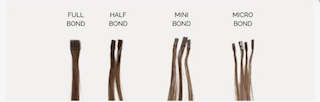
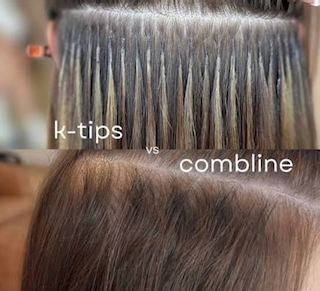
K-tips are small strands of hair attached with a keratin bond and installed individually throughout the head. The bonds themselves are customized to your hair — full, half, mini or micro — so the size of each one matches the density it is going into: finer, smaller bonds where your hair is lighter, fuller ones where it can carry more. Because each strand sits on its own, the hair moves freely and can be worn up or down — ponytails, buns and braids included.
K-tips add length. They add volume and thickness exactly where your hair needs it. They can be custom colored and blended to your natural hair, and they come in different textures so your extensions move the way your hair does. Light Styling can also re-bond your K-tips in house — something that wasn't possible before — so strands in good condition go back in rather than being replaced outright. Most clients top up with some new hair at each appointment instead of buying a whole new set.
K-tips often suit clients with finer hair, anyone who finds the weight of a row uncomfortable, and anyone who wants hair close to the hairline or at the nape, where rows can't always reach. They can also be installed alongside another method rather than instead of it — rows through the back where rows work beautifully, individual strands filling in the areas a row can't sit. Many heads are best served by a combination. K-tips also tend to go longer between maintenance appointments, which suits clients who would rather not be in the salon as often.
I'm excited you wanted to learn more about hair extensions. If you have any more questions, don't hesitate to call me!
.svg)
Not sure which method fits your hair? Fill out the application and we'll talk it through on your free phone consultation.
Apply Today
Shannon Reiley, the owner of Light Styling, does every part of your service herself — sectioning, blow-drying, color, the cut, and choosing your hair. She has been doing extensions since 2017 and was the first Colorado stylist certified in Natural Beaded Rows through DKW Styling Academy. There are no assistants and no double-booking. You have her attention for the whole appointment.
Most consultations happen over the phone. Between your application, your photos and a 15-minute call, I can usually tell you which method suits your hair and what your appointment will cost. The free phone consultation is 15 minutes. A longer 20-minute call is $50, and an in-salon consultation is $75 — credited toward your deposit if you book an extension service that day.
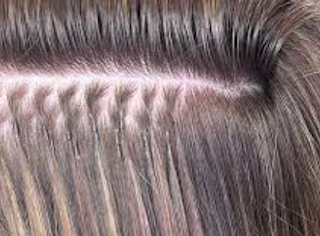
K-tip stands for keratin tip. Each extension is a small strand of hair with a keratin bond at the top, fused to a tiny section of your own hair. There are no rows, no beads and no tape — just individual strands placed where your hair needs them. The strands are customized to your natural density: finer, smaller sections for lower density, fuller sections for thicker hair.
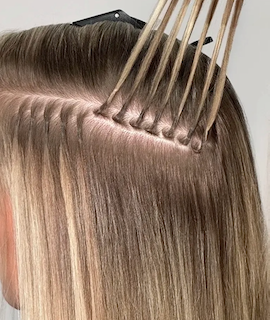
Your appointment starts with color, if your hair needs it, so your extensions blend seamlessly. Then each strand is placed individually and its keratin bond is sealed to a small section of your natural hair. Once everything is in, your hair is cut and styled so the extensions disappear into your own. A full install with color runs eight or more hours in the chair.
Most first-time K-tip clients invest $1,500 to $3,000, and more if you want a lot of hair. There is no single price, because there is no single appointment. Your total depends on your natural density, the length you choose, and how much hair it takes to get the look you want. Hair is sold by the bag and priced per bag — $280 for 18 inches, $320 for 22 inches and $340 for 24 inches — and almost everyone needs more than one bag. Installation is $337 per hour. Some installs also need prepping beforehand, where each bond is cut down to match your density and the hair is colored to blend with yours; prepping is billed at $150 per hour. A $500 deposit books your appointment; it is nonrefundable and applies toward your total, not on top of it.
As your own hair grows, the bonds move down and eventually need to be removed and reinstalled. This is where re-bonding matters. Light Styling can put a fresh keratin bond on your existing strands in house, so hair in good condition goes back in rather than being thrown out. Two things to know before you plan for it. First, not every strand survives — condition and length decide that — so most clients buy some new hair at each appointment to replace what can't be reused. Second, re-bonding takes a little length off the top of each strand, so re-bonded hair sits slightly shorter than it did at your first install. If keeping your exact length matters to you, say so and we'll plan for new hair instead. We'll set your schedule together at your consultation, based on how fast your hair grows and how you wear it.
Hair comes in every density and texture, which is why a flat price doesn't work. As a rough guide, lower-density hair usually takes one to three bags, and medium to high density takes two to six, for hair in the 18 to 22 inch range. Twenty-four inch hair takes more. Your photos and our phone call are how we land on the real number before you book.
No. Color is an option, not a requirement. Sometimes your natural hair and your extension hair blend beautifully as they are. Other times a color service makes the blend seamless, especially at the root. A color service with your install is $325. We'll decide together at your consultation, and you'll know before you book.
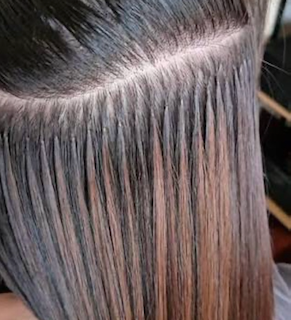
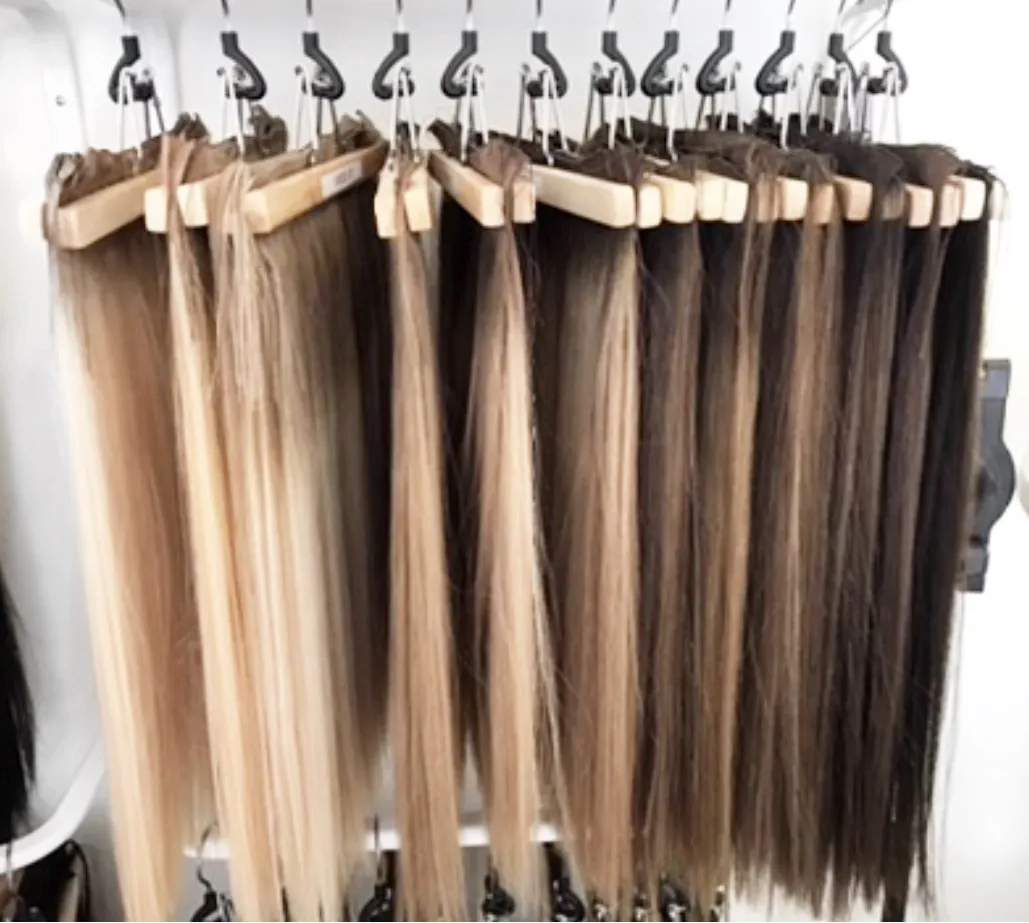
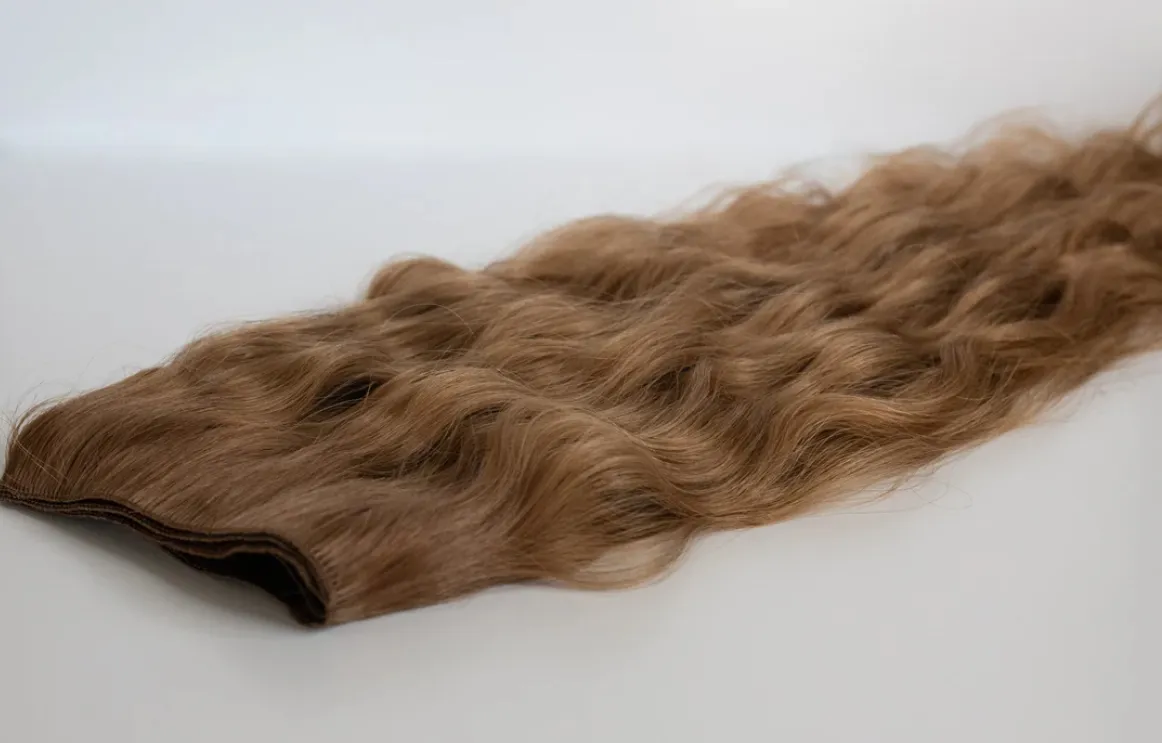
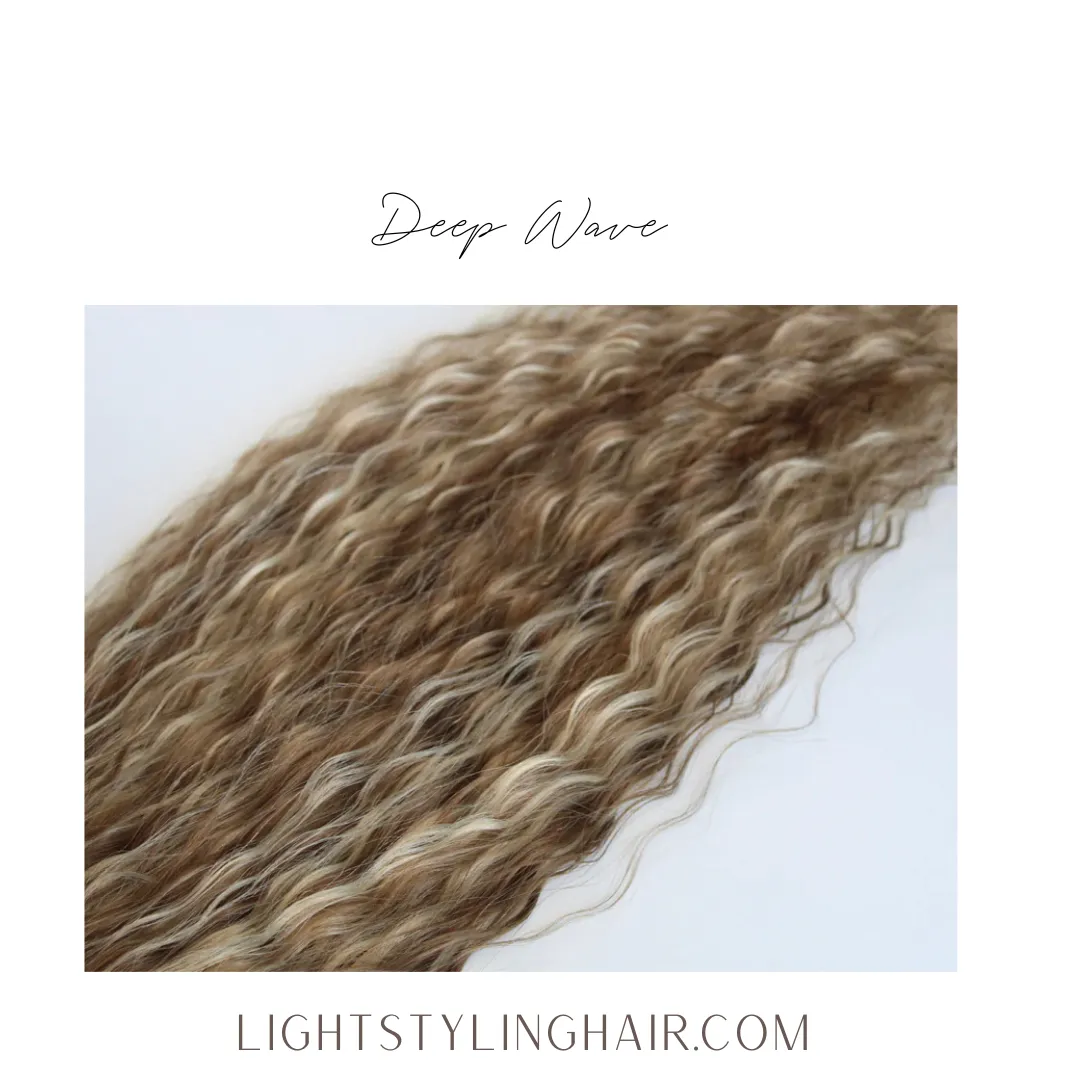
K-tip hair comes in 18, 22 and 24 inch lengths, in straight and wavy textures, and every color is matched to your own hair. If your hair holds a curl differently than the extension hair does, we account for that when choosing texture — that's part of what the consultation is for.
When it's time, the old bonds are removed and your hair is re-tipped with fresh keratin and reinstalled. Removal is $150 per hour and refreshing is $150 per hour. If your extension hair needs its color refreshed at the same time, that runs $50 to $75. One scheduling note: there needs to be at least 24 hours between removal and reinstalling, so the hair can be color-touched and re-tipped. That usually means two appointment days.
Extensions are attached to your natural hair, so how they're installed, cared for and removed matters more than the method itself. K-tip strands are small and spread across the head, which distributes weight rather than concentrating it. What causes damage is tension — yanking, brushing roughly, sleeping on wet hair, or having them removed improperly. Follow the at-home care we go through together and your hair stays healthy.
Women with fine hair who want a discreet blend. Women who've found a row of wefts heavy or uncomfortable. Women who want hair close to the hairline or at the nape, where rows can't always reach. And women who'd rather come in less often through the year. Plenty of clients end up with a combination of methods — rows where rows work well, K-tips where they don't.
Yes, and it's common. Your hair doesn't have to pick a side. Some heads take rows beautifully through the back and need individual strands around the hairline or the nape. What matters is the finished look, how it feels, and how it fits your life — not which method it came from.
Yes. Live your life — workouts, hot yoga, the pool, the ocean. A few habits protect your investment: put your hair up before you sweat, rinse with fresh water after chlorine or salt, and never let your hair dry in a tangle. We'll go through all of it before you leave.
Tell your physician you're wearing hair extensions and follow their recommendation. K-tips contain no metal, unlike beaded methods, but your medical team's guidance comes first. If they ask you to have them removed, call me and we'll get you in.
Not at all. Plenty of clients already have long hair and come in for thickness — hair that won't grow past a certain point, ends that have thinned, or fullness lost after a medication, a baby or a stressful year. Adding density to hair you already have is one of the most common reasons women sit in my chair.
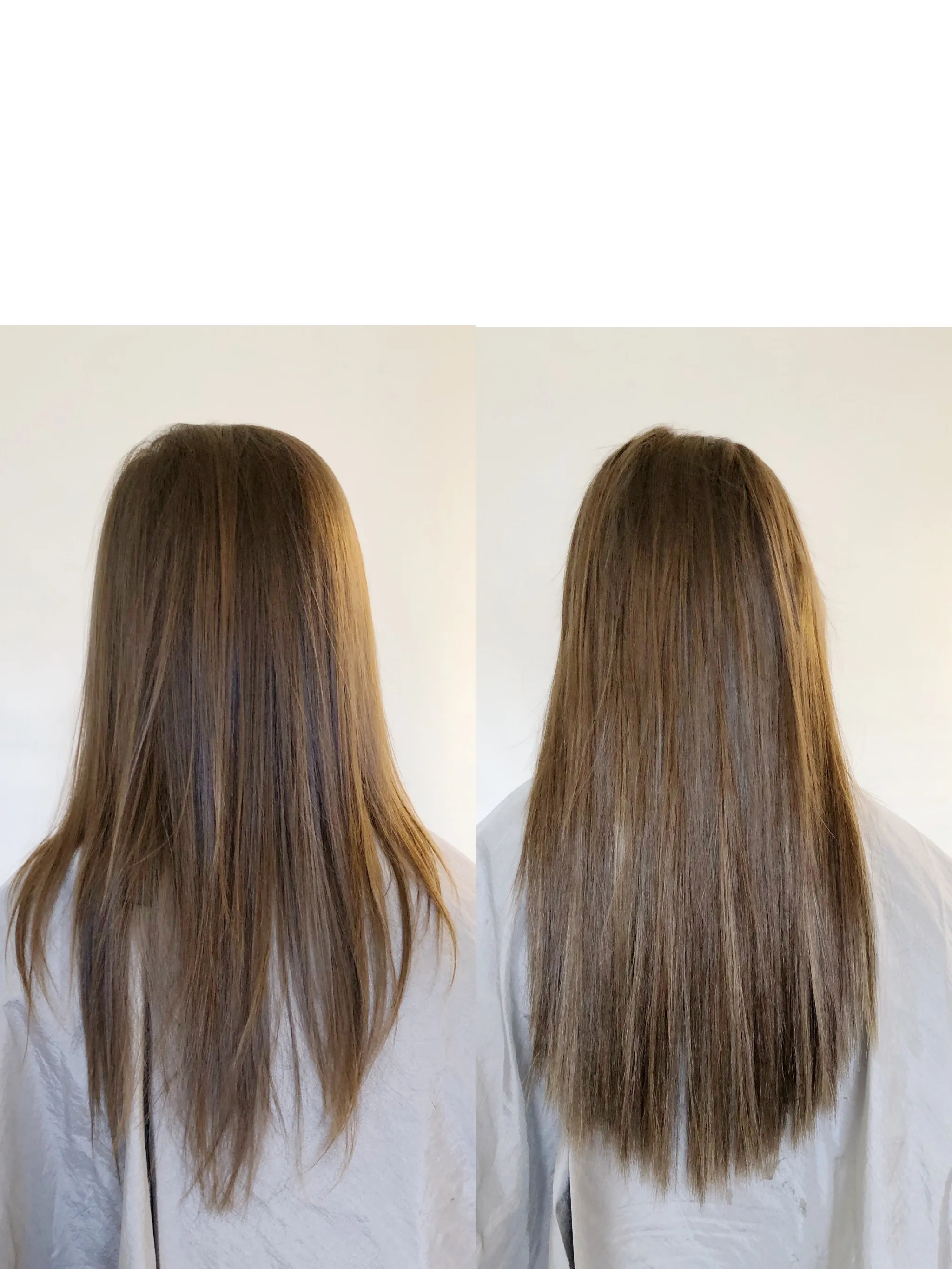
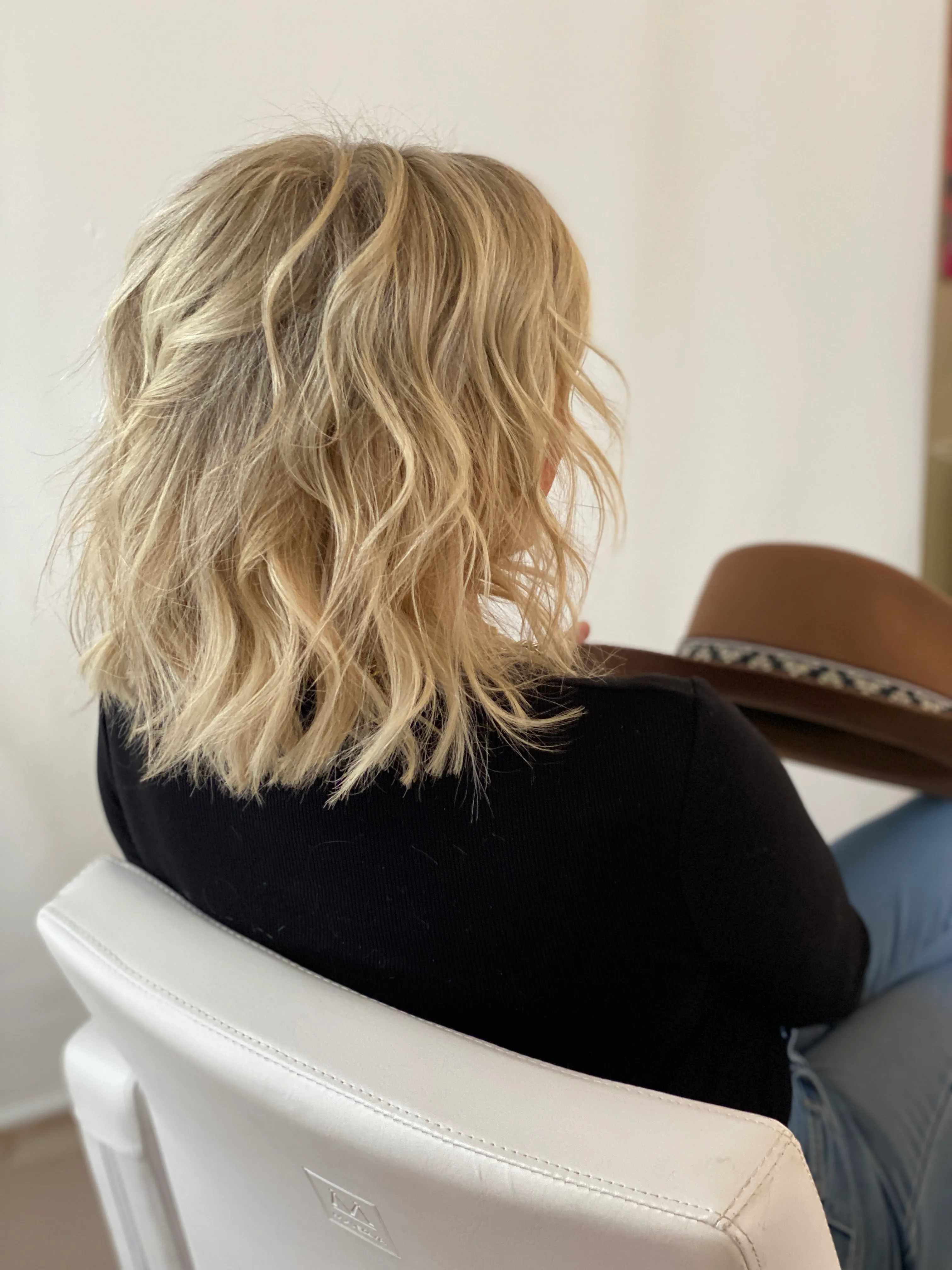
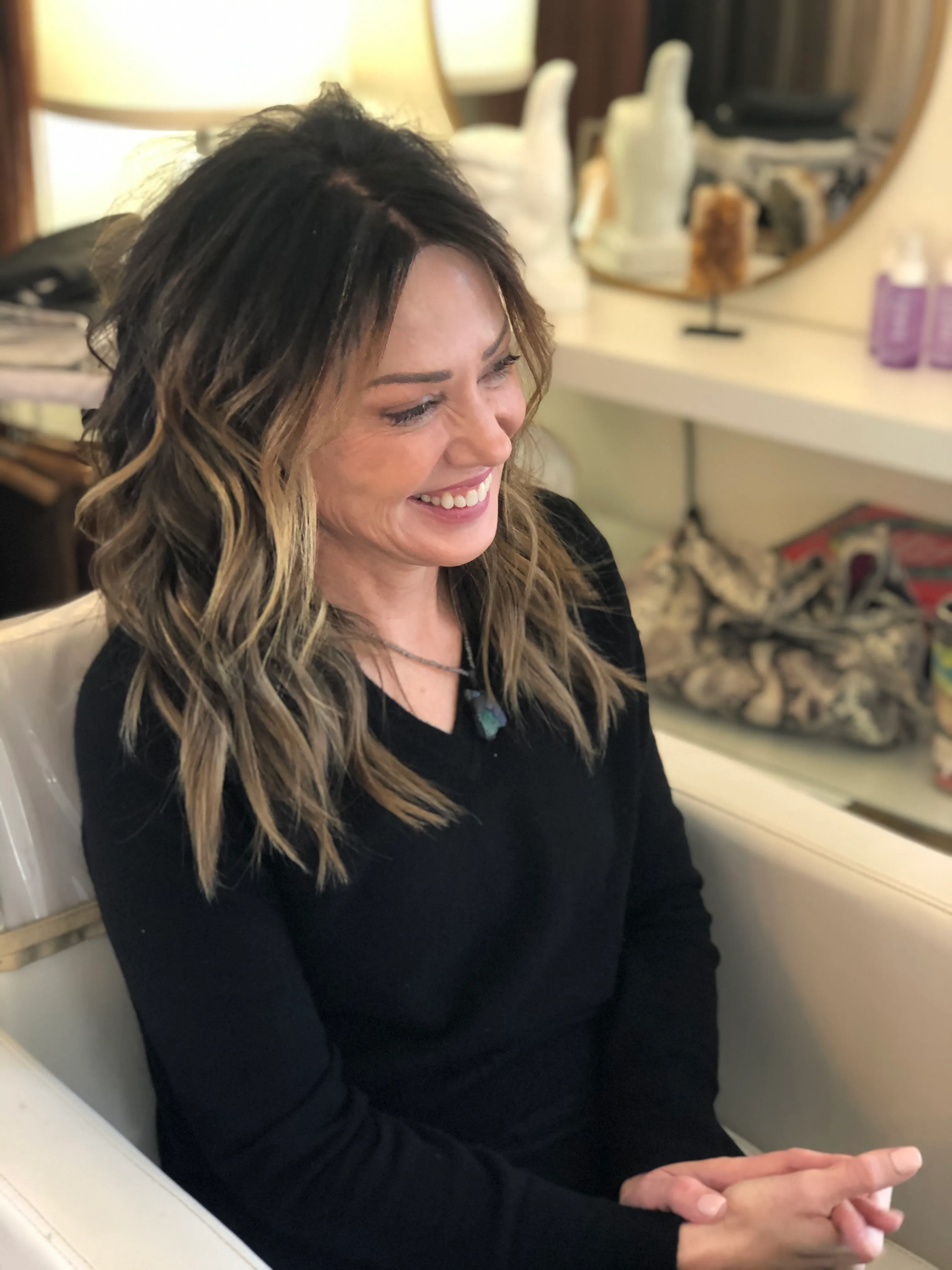
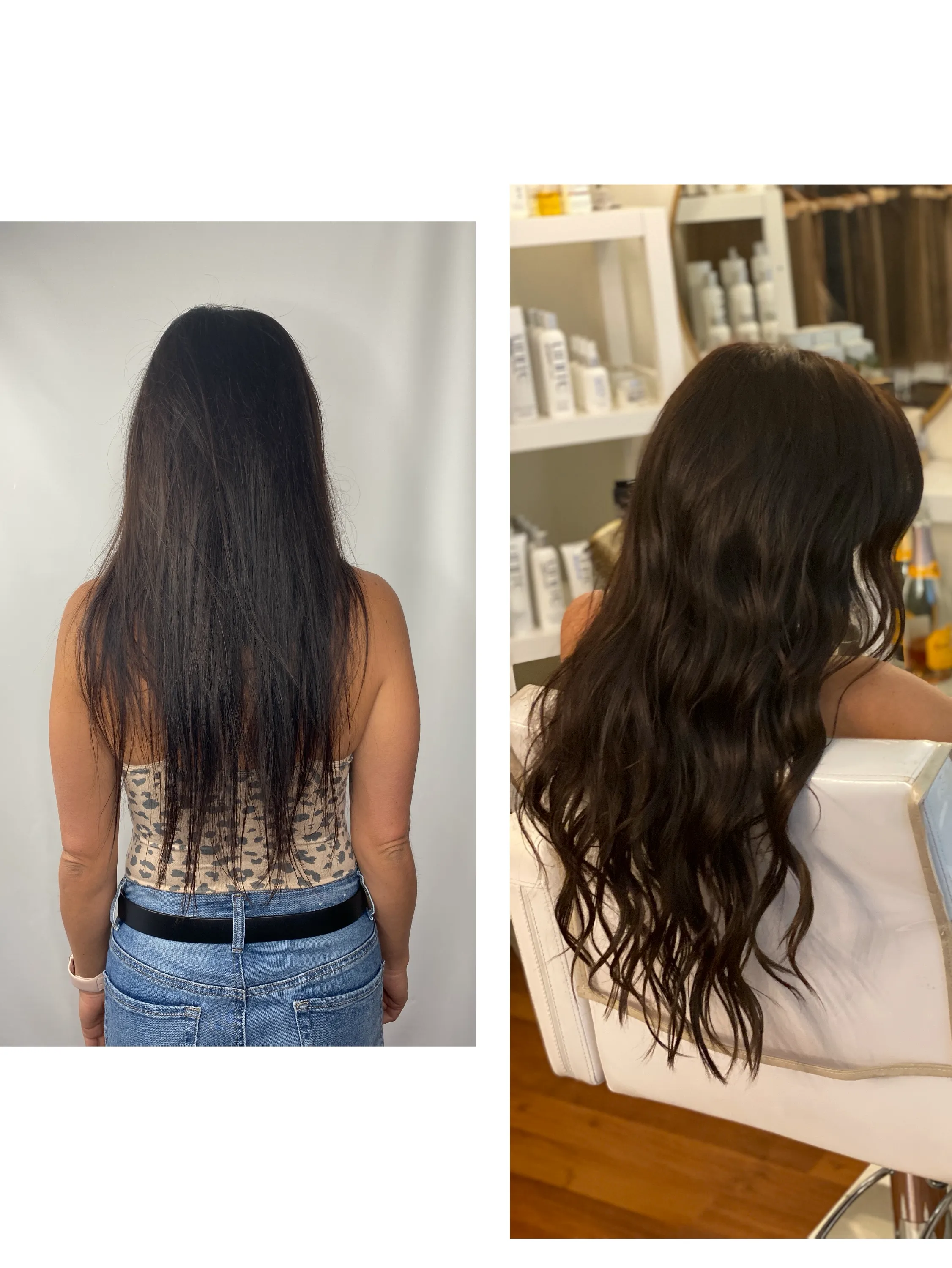
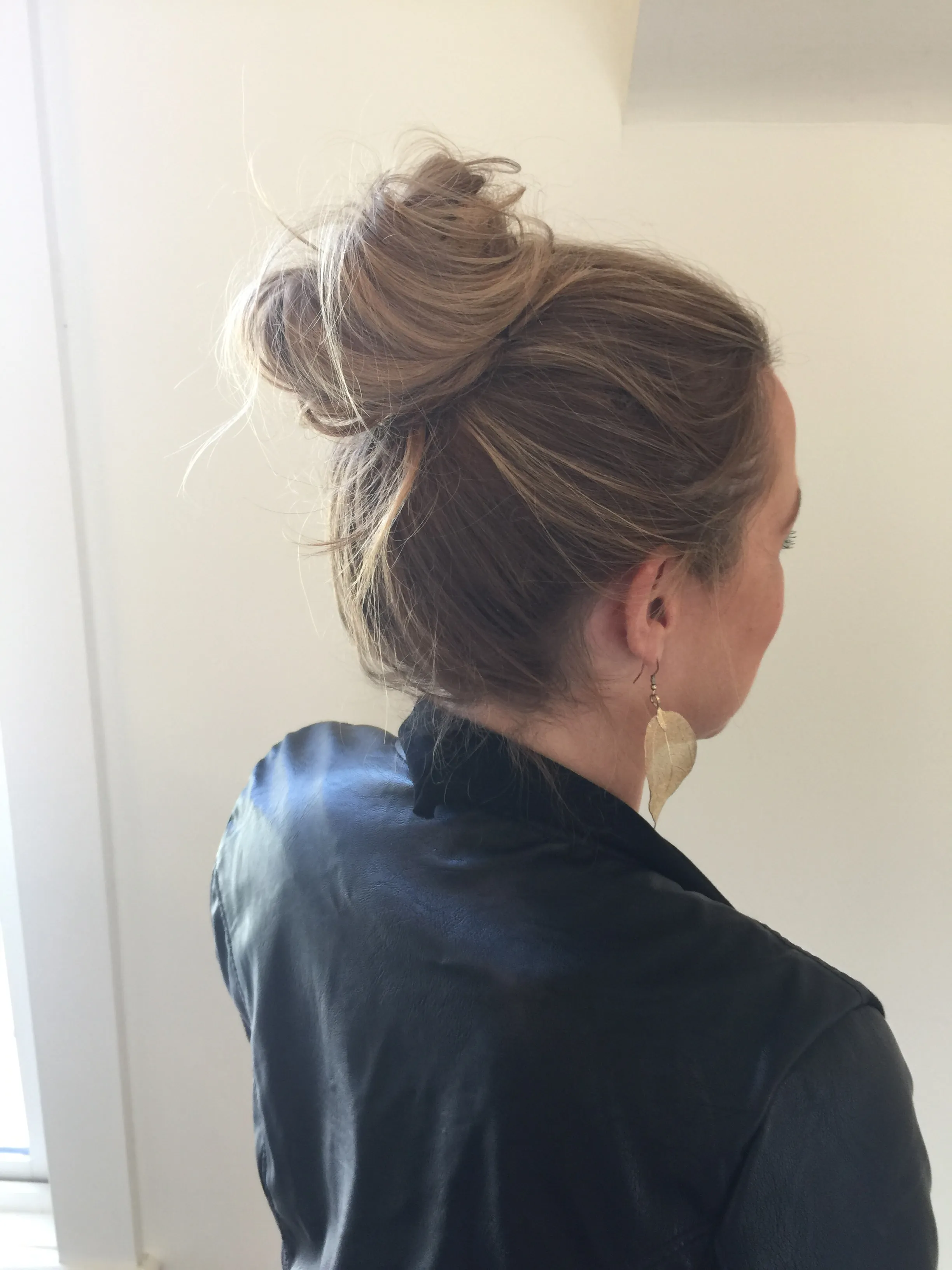
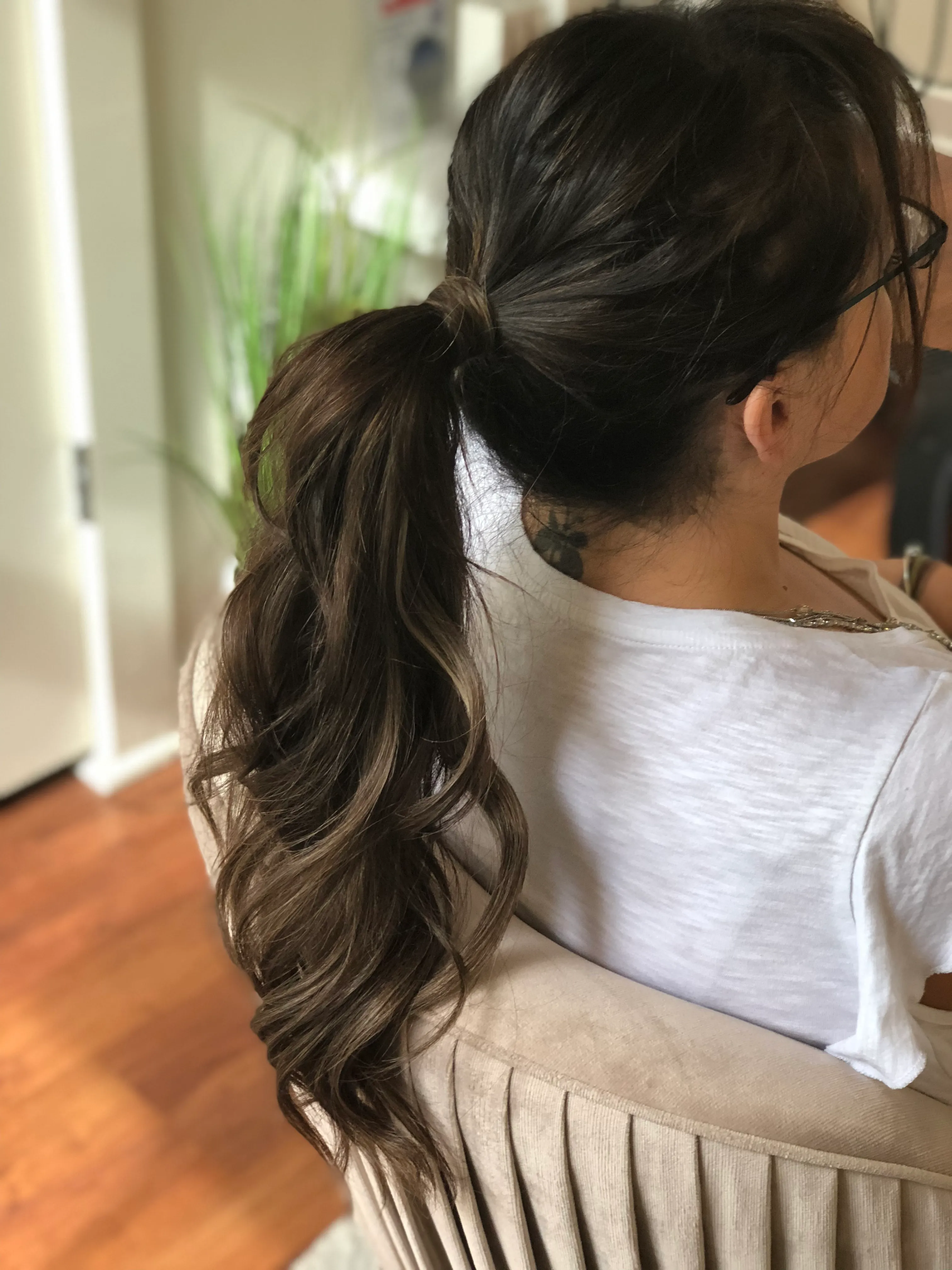
Yes, and this is where K-tips shine. Because the strands are individual rather than sewn in rows, there's no track to hide when your hair goes up. Ponytails, buns, braids, half-up — all of it works. If you live in a ponytail, say so on your consultation call and I'll place your strands accordingly.
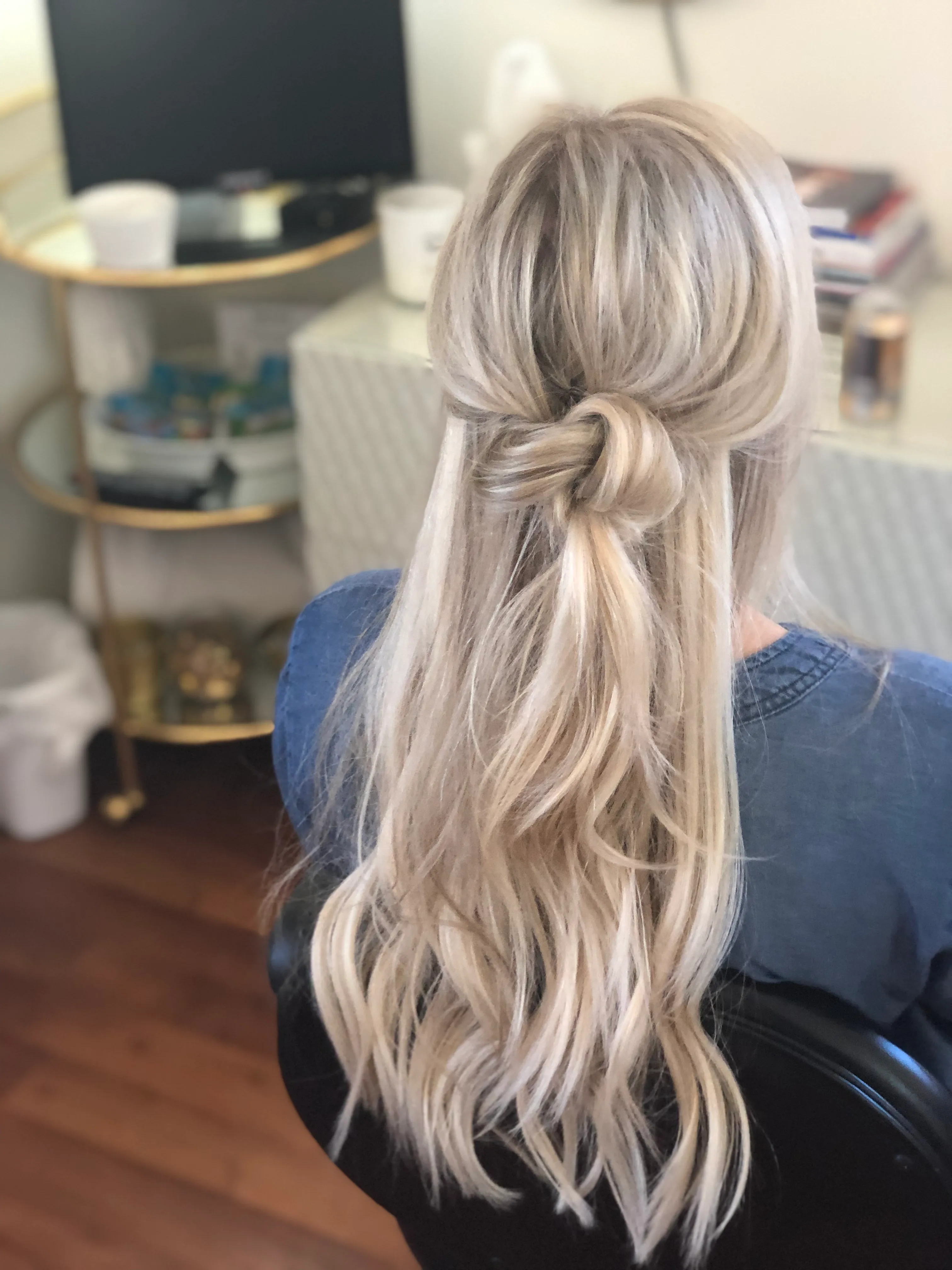
Light Styling uses Muse HairPro keratin tips, in straight and wavy textures across 18, 22 and 24 inch lengths. For weft methods the salon also carries Isla, Invisible Bead Extensions and Covet & Mane. Choosing the right hair for your texture and density is part of your consultation, not an afterthought.
Absolutely. Straight, curled, air-dried, blown out — your hair, your call. Use a heat protectant and keep your iron away from the bonds themselves, and everything from a sleek blowout to beach waves is on the table.
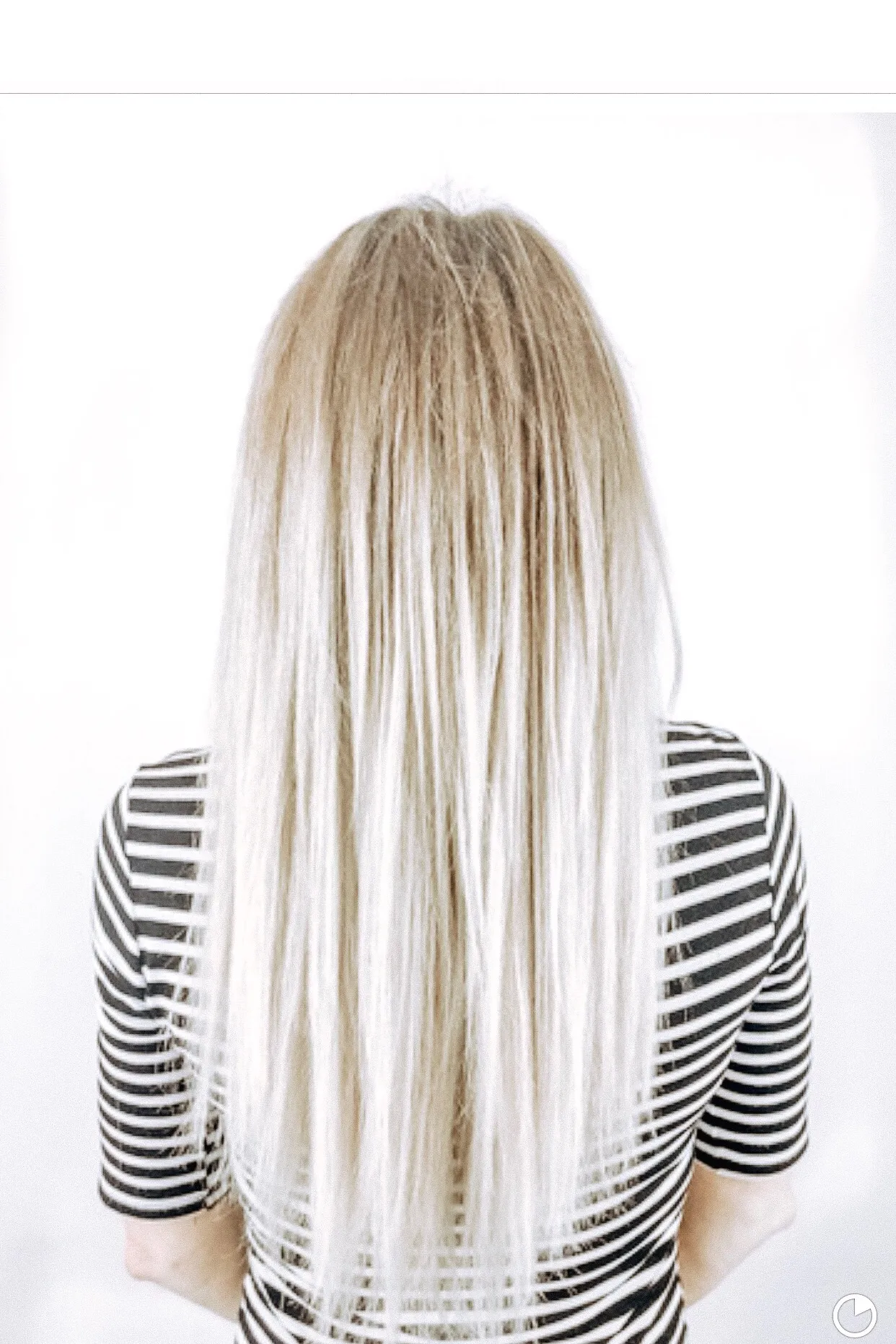
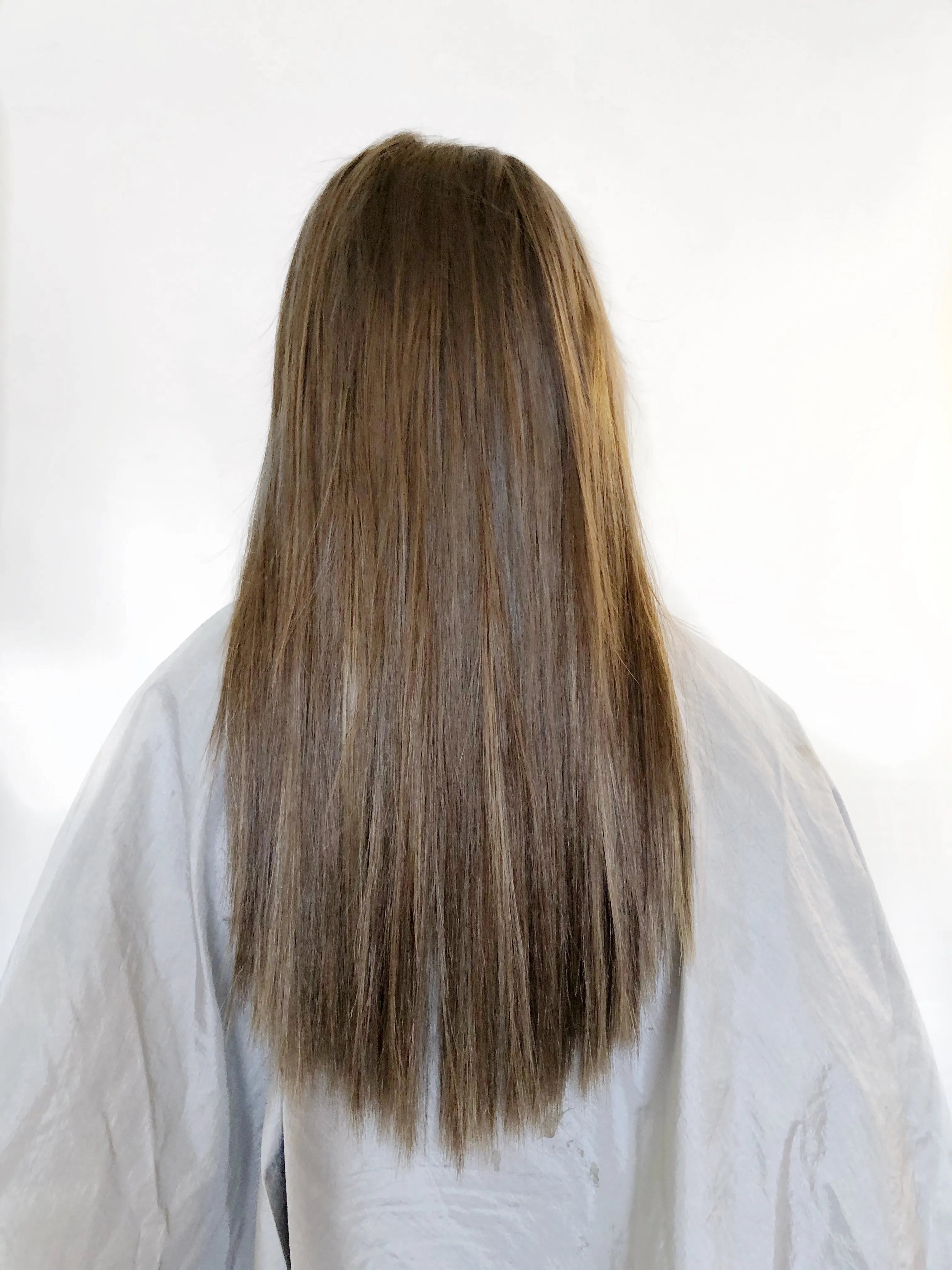
Brush your hair before bed to remove any knots, and make sure it is 100% dry — going to sleep with wet hair is the fastest way to wake up to matting at the bonds. Most clients sleep in a loose braid or a low, loose ponytail. A silk or satin pillowcase helps more than people expect.
Use a quality sulfate-free shampoo to protect your color and your extension hair. Wash in sections with your head upright rather than flipped forward, concentrating shampoo at the scalp and conditioner from the mid-lengths down, away from the bonds. Rinse thoroughly, squeeze out the water, and never wrap wet hair in a tight towel twist.
About once a week is the baseline, and more often if you're working out, using product heavily, or living in a swimsuit all summer. Dirt and oil at the scalp are what loosen bonds over time, so a clean scalp is genuinely part of making your investment last.
One: no tension. Don't pull hard on the strands when you brush, style, wash or dry. Two: brush daily, starting at the ends and working up, holding the hair above the bonds. Three: dry your roots and never sleep on wet hair. Four: keep heat and oil-based products away from the bonds themselves. Five: come in for maintenance on schedule — waiting too long is what turns a simple appointment into a complicated one.
Yes. The safest approach is to pin your hair up in a top-knot and keep it dry. If you're getting in, wet your hair with fresh water first so it absorbs less chlorine or salt, put it in a braid, and rinse and condition as soon as you're out. Never leave salt or chlorine sitting in your hair to dry.
Congratulations! Plan your install a few months before the wedding, not the week of. That gives you time to live in your hair, learn to style it, and come back for any adjustment before photos that last forever. Brides who start early always look more like themselves on the day. Get your application in with your wedding date and we'll build the timeline backwards from it.
Yes. Tell the stylist you're wearing K-tip extensions before they start, and ask them to avoid dragging a brush through the bonds or putting direct heat on them. Most stylists are happy to work around them once they know.


Start with the application. It takes about ten minutes and asks for a few photos of your current hair, which is what lets me give you a real number instead of a guess. Once it's in, we'll set up your free 15-minute phone consultation and plan your appointment from there.