Glow Up This Winter: The Perfect Tan to Complement Your Natural Beaded Row Hair Extensions
January 16, 2025


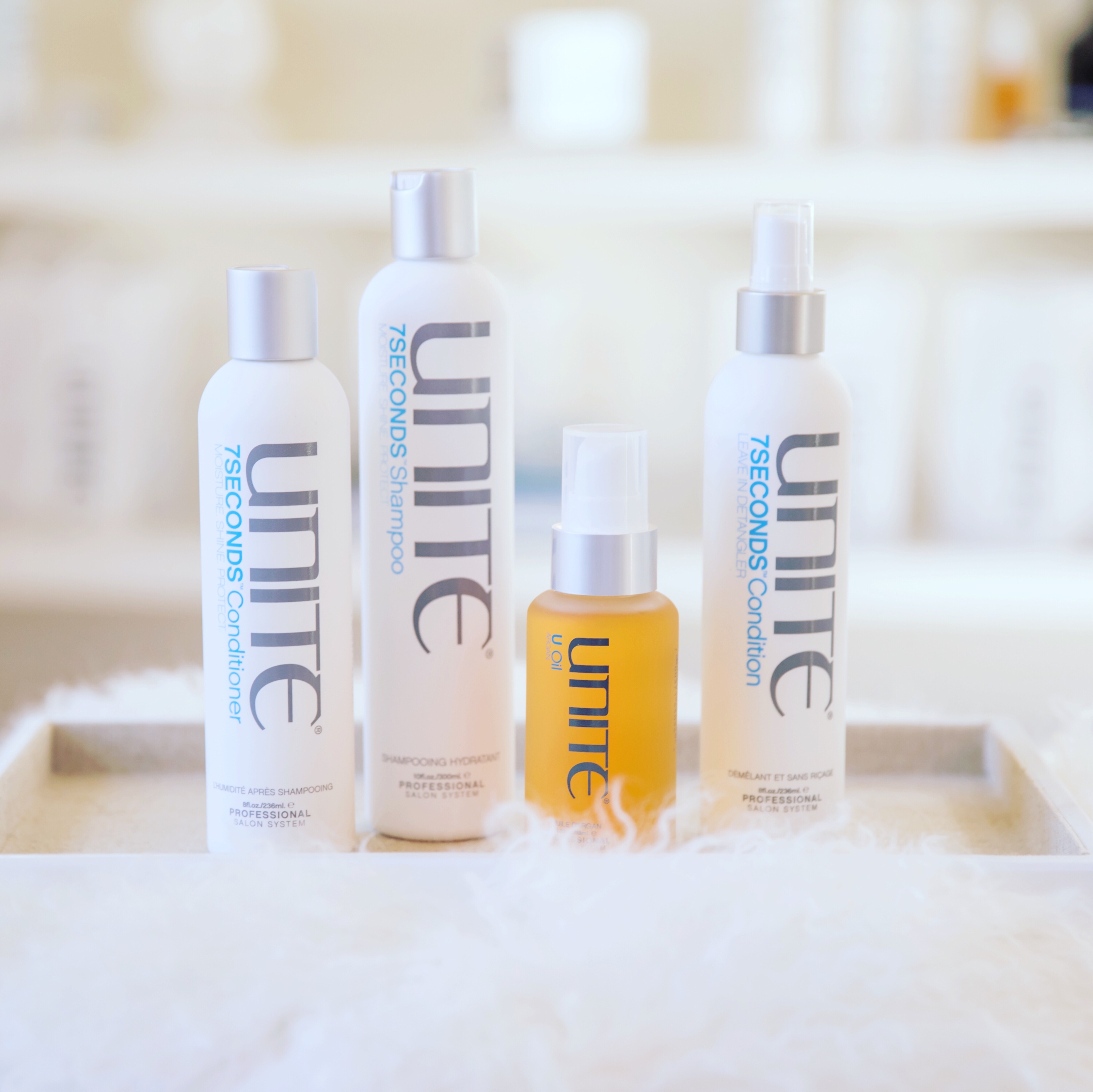
To care for NBR extensions, wash one to two times a week with sulfate-free shampoo, keep conditioner off the beads, and brush from the ends up with a soft-bristle brush. Dry the beads fully, always use heat protectant, sleep in a loose braid on silk, and keep your move-up appointment every six to eight weeks. That is the whole rhythm, and once it becomes a habit your hand-tied wefts stay soft, healthy, and beautiful between visits. I am Shannon, and I have walked hundreds of Colorado clients through this exact routine, so let me show you how it works at home.
Natural Beaded Rows are hand-tied wefts attached to tiny beaded rows, with no glue, no tape, and no heat bonds touching your hair. That gentle, damage-free foundation is the whole point of NBR hair extensions, and it is also why your at-home care matters so much. The beads are the anchor points, so everything you do (washing, brushing, sleeping, styling) is really about protecting those rows while keeping both your natural hair and the wefts hydrated.
There is a Colorado wrinkle here too. We live in a high, dry climate with low humidity, and dry air pulls moisture out of hair fast. If you have ever noticed your extensions feeling thirsty or a little brittle, our climate is usually the reason. That means hydration is not optional for us, it is the core of a good nbr hair care routine. If you are curious about the difference in the wefts themselves, I break it down in my guide to hand-tied vs machine wefts.
Learning how to wash NBR extensions correctly is the single biggest thing you can do to protect your investment. The goal is clean scalp, hydrated ends, and beads that never get overloaded with product.
I recommend washing one to two times a week, no more. Washing too often strips the natural oils your extensions rely on, and hand-tied wefts do not get replenished from your scalp the way your own hair does. That gentle frequency matches what most extension specialists suggest to avoid stripping moisture (Source: Color Wow, https://colorwowhair.com/blogs/all/hair-extensions-care-guide). In our dry climate I lean toward the lower end, often closer to once a week, so your hair holds onto every bit of hydration it can.
A sulfate-free shampoo for extensions is a must, because sulfates strip color and dry out the wefts. Here is the routine I teach:
Never leave your beads damp. Trapped moisture at the rows can lead to odor, mildew, and irritation. After you gently squeeze out excess water with a microfiber towel, point your blow dryer at the beaded rows on low heat until they are completely dry, then dry the rest of your hair. This one step is a cornerstone of good nbr extension maintenance, and it takes only a couple of extra minutes.
Brushing NBR extensions is all about direction and gentleness. Always start at the ends and work your way up in small sections, holding the hair above where you are brushing so you never tug at the rows. A soft-bristle brush or a proper loop brush glides through without catching the wefts. I tell my long-hair clients to brush two to three times a day, morning, midday, and before bed, so tangles never have a chance to build. Quick tip for busy days: keep a small brush in your bag so a two-minute smooth-out replaces a stressful detangling session later.
Sleeping with NBR extensions the right way protects them for the eight hours you are not thinking about them. Two habits make all the difference. First, never go to bed with wet hair, because damp wefts twisted against a pillow are asking to tangle and matte. Second, gather your hair into a loose braid or a low, loose ponytail so it moves with you instead of yanking at the rows.
I am also a big believer in a silk pillowcase. Silk reduces the friction that causes tangling and breakage, with lab testing showing roughly 34 percent less friction than cotton (Source: Mulberry Park Silks lab test, https://mulberryparksilks.com/blogs/mulberry/silk-pillowcases-lab-tested). Less friction means smoother mornings and longer-lasting wefts.
You can absolutely curl and style your extensions. You just have to be smart about heat.
A heat protectant for extensions goes on every single time before any hot tool touches your hair, no exceptions. Extensions cannot repair themselves the way living hair partially can, so a protectant is what keeps them glossy instead of fried. Spray it through the mid-lengths and ends, let it dry for a moment, then style.
Keep your iron at a moderate temperature rather than cranking it to the highest setting. Work in sections, wrap the hair around the barrel while keeping the tool a couple of inches away from the beaded rows, and hold for just a few seconds. Let each curl cool in your hand before you release it, which sets the shape and lets you use lower heat overall. Lower heat plus protectant equals curls that last and wefts that stay healthy.
Some of my favorite hair days are the ones between washes, and stretching your wash schedule is genuinely good for your extensions. A little dry shampoo at the roots on day two or three refreshes your scalp without stripping moisture. On day three or four, lean into styles that hide any oil and show off your length: a sleek low bun, a half-up look, soft second-day waves, or a braid that works with the natural texture your curls have relaxed into. These no-wash-day styles are not just time savers, they are part of protecting your investment.
You do not need a cabinet full of products, just the right few:
I keep the extension-safe items I trust in our extension-safe product shop so you are never guessing about ingredients.
At-home care keeps your hair healthy day to day, but your move-up is what keeps the rows secure. As your natural hair grows, the beaded rows grow out with it, so I move them back up every six to eight weeks. Skipping this is the most common cause of tangling and tension, so please do not stretch it too far. If you are still weighing the investment, I explain how much NBR extensions cost and what your maintenance rhythm looks like over time.
If you are wondering what actually happens in that appointment, I break it down in NBR maintenance and how often you need a move up.
How often should I wash my NBR extensions?
One to two times a week is the sweet spot for most people. Washing more often strips moisture that your wefts cannot replenish on their own. In our dry Colorado climate I often lean toward the lower end so your hair stays hydrated.
Can I sleep in my NBR extensions?
Yes, and you will sleep in them every night. Just make sure your hair is fully dry, gather it into a loose braid or low ponytail, and use a silk pillowcase to cut down on friction and tangling.
Can I use any shampoo?
No, please avoid sulfates. A sulfate-free shampoo protects your color and keeps the wefts from drying out, and remember to keep conditioner off the beads so the rows stay secure.
Can I curl or heat-style my extensions?
Absolutely, as long as you use heat protectant every time and keep your iron at a moderate temperature. Work a couple of inches away from the beaded rows and let curls cool before releasing them.
How often do I need a salon move-up?
Every six to eight weeks. As your natural hair grows, the rows need to be moved back up to stay comfortable and secure, and staying on schedule prevents tangling and tension.
I know this is a lot to take in, and you do not have to memorize it all today. If you have questions about your routine or you are thinking about extensions and want to talk it through with zero pressure, I would love to meet you. Come book a free consultation and we will build a plan that fits your hair and your life.


