Are Hair Extensions Right for Me? Who Qualifies
March 1, 2021


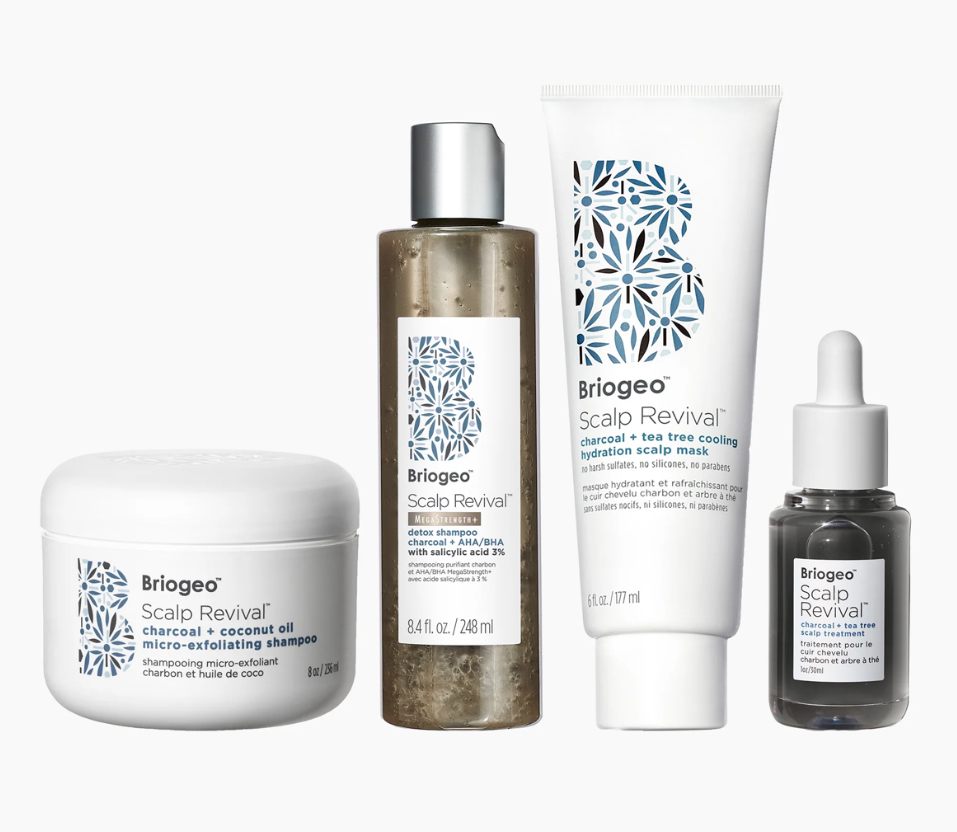
To get rid of dandruff, wash regularly with a medicated shampoo containing zinc pyrithione, ketoconazole, selenium sulfide, or salicylic acid, and let it sit on your scalp for at least five minutes before you rinse. Here is the part most people never hear: the majority of dandruff is caused by a naturally occurring yeast called Malassezia, not by poor hygiene. With consistent, gentle care, it calms down. In this guide I will walk you through what causes flakes, the simple scalp routine I recommend, and how to stay comfortable and flake-free even if you wear hair extensions.
First, let me say this as gently as I can: dandruff is not a hygiene problem, and it is not something to be embarrassed about. I have had so many clients lower their voice and apologize before they even sit in my chair. Please don't. Flakes are incredibly common and very fixable.
To put it in perspective, seborrheic dermatitis (the more inflamed cousin of dandruff) affects roughly 5 percent of adults, and everyday dandruff affects far more people than that (Source: NLM, 2015, https://pmc.ncbi.nlm.nih.gov/articles/PMC4852869/). You are in good company, and you have options. My whole approach is anti-damage and zero-pressure, so everything below is about calming your scalp, never stripping or punishing it.
Understanding what is actually happening on your scalp makes it so much easier to treat. Most flaking comes down to three usual suspects.
The biggest driver of dandruff is a yeast called Malassezia that lives on everyone's scalp. In some people it feeds on natural scalp oils, which triggers irritation, faster skin cell turnover, and those visible white or yellowish flakes. Most dandruff is linked to this yeast rather than to how often or how well you wash (Source: Cleveland Clinic, https://my.clevelandclinic.org/health/diseases/14403-seborrheic-dermatitis). That is exactly why over-washing rarely fixes it, and why the right active ingredient matters more than sheer scrubbing.
These two get confused constantly, but they are different. Dry scalp flakes tend to be small, white, and dusty, and they usually come with tightness or dryness across the rest of your skin too. Dandruff flakes are typically larger, oilier, and sometimes yellow, often paired with an itchy or slightly greasy scalp. The distinction matters because dry scalp wants moisture and gentleness, while true dandruff responds best to a medicated, anti-yeast approach. If you are not sure which one you have, that is a great question to bring to a professional.
The third culprit is buildup: dry shampoo, heavy oils, silicones, and styling products that collect at the roots and trap oil and dead skin. This is especially worth watching if you stretch your washes or love a texture spray. Buildup alone can mimic flaking or make real dandruff worse. Choosing lighter, scalp-safe hair products and rinsing thoroughly goes a long way here.
Here is the routine I walk my clients through. It is simple, and consistency is what makes it work.
The American Academy of Dermatology recommends anti-dandruff shampoos with proven active ingredients: zinc pyrithione, salicylic acid, sulfur, selenium sulfide, ketoconazole, or coal tar (Source: AAD, https://www.aad.org/public/diseases/hair-and-scalp-problems/dandruff-how-to-treat). If one ingredient does not do much after a few weeks, try a different active, since scalps respond differently. My in-between-appointments favorites for extension wearers are the gentle, sulfate-free, scalp-safe shampoos I trust and keep in my chair.
This is the step almost everyone skips. Do not rush the rinse. Massage the medicated shampoo into your scalp and leave it on for at least five minutes before rinsing so the active ingredient has time to actually work (Source: Cleveland Clinic, https://my.clevelandclinic.org/health/diseases/14403-seborrheic-dermatitis). Set a timer, wash your body, shave your legs, whatever keeps you honest for those five minutes. It is the single biggest upgrade most people can make.
Frequency depends on your hair type. The AAD notes that people with lighter, less coily hair may need to shampoo more often, while those with tightly coiled or textured hair often do best washing less frequently and using the medicated product on wash days (Source: AAD, https://www.aad.org/public/diseases/hair-and-scalp-problems/dandruff-how-to-treat). Once your scalp is calm, many people maintain results by using the medicated shampoo once or twice a week and a gentle cleanser the rest of the time.
Yes, you absolutely can wear extensions if you are prone to dandruff. Well-placed extensions do not cause flaking, and a manageable scalp does not disqualify you. The key is a method that leaves your scalp accessible and a routine that keeps it clean. That is one reason I love NBR hand-tied extensions: the rows are designed to sit comfortably and allow you to reach and wash your scalp underneath.
That said, I do want to be honest with you. If someone comes in with an active, inflamed, very flaky scalp, I will sometimes suggest we postpone the install until your scalp is calm again, because getting your scalp settled first protects both your comfort and the longevity of the install.
Caring for your scalp with wefts is very doable once you know the technique. My in-chair guidance is to cleanse thoroughly at the scalp and along each row so nothing builds up underneath. A few principles I coach every client on:
If you are still deciding on a method, it helps to understand the types of hand-tied wefts and what maintenance each involves, and to know how much NBR extensions cost so you can plan for the whole picture, including upkeep.
I am a stylist, not a physician, so I always draw a clear line here. If your flaking does not improve after a few weeks of consistent medicated shampoo use, if your scalp is red, painful, oozing, or losing hair, or if the itching is severe, please see a board-certified dermatologist for a proper diagnosis. What looks like dandruff can sometimes be psoriasis, eczema, or a fungal infection that needs prescription treatment. There is no downside to getting expert eyes on it.
Here is what I want you to take away: a healthy scalp is the foundation of great hair, whether or not you wear extensions. Consistent gentle cleansing, the right medicated shampoo left on long enough to work, lighter products at the root, and knowing when to loop in a dermatologist will get most people flake-free and comfortable. These healthy scalp tips are not complicated, they just take a little consistency.
As the first Colorado-certified NBR stylist, trained by NBR creator Danielle White at DKW Styling, I have helped many clients balance beautiful extensions with a calm, cared-for scalp. This article is for education, not a medical diagnosis, so please pair it with a board-certified dermatologist's guidance if your symptoms persist.
What causes dandruff?
Most dandruff is driven by Malassezia, a yeast that lives on everyone's scalp and can irritate the skin and speed up flaking. It is linked to that yeast rather than poor hygiene (Source: Cleveland Clinic, https://my.clevelandclinic.org/health/diseases/14403-seborrheic-dermatitis). Dry scalp, product buildup, and stress can make it worse.
How do I get rid of dandruff fast?
Use a medicated shampoo with zinc pyrithione, ketoconazole, selenium sulfide, or salicylic acid, and leave it on your scalp for at least five minutes before rinsing (Source: AAD, https://www.aad.org/public/diseases/hair-and-scalp-problems/dandruff-how-to-treat). Be consistent for a few weeks. If one active ingredient does not help, switch to a different one.
Can you wear extensions if you have dandruff?
Yes, in most cases you can, as long as your scalp is manageable and you can wash and dry it properly underneath. Methods like NBR keep the scalp accessible for cleansing. If your scalp is very inflamed, it is best to calm it first before installing.
How often should I wash my hair with extensions?
It depends on your hair type and lifestyle, but most extension wearers do well washing a few times a week, using the medicated shampoo on one or two of those washes. The AAD notes wash frequency varies by hair type (Source: AAD, https://www.aad.org/public/diseases/hair-and-scalp-problems/dandruff-how-to-treat). Always cleanse at the scalp and rinse until the water runs clear.
When should I see a dermatologist for dandruff?
See a board-certified dermatologist if flaking does not improve after a few weeks of medicated shampoo, or if your scalp is red, painful, oozing, or you notice hair loss. These signs can point to a condition that needs prescription care. There is no harm in getting it checked.
If you would like personalized, anti-damage guidance for your scalp and your hair goals, I would love to help. Book a free consultation and we will build a plan that keeps your scalp healthy and your hair gorgeous, with zero pressure.


