Why Does Hair Color Fade and How Can You Maintain Vibrant Color?
April 19, 2024


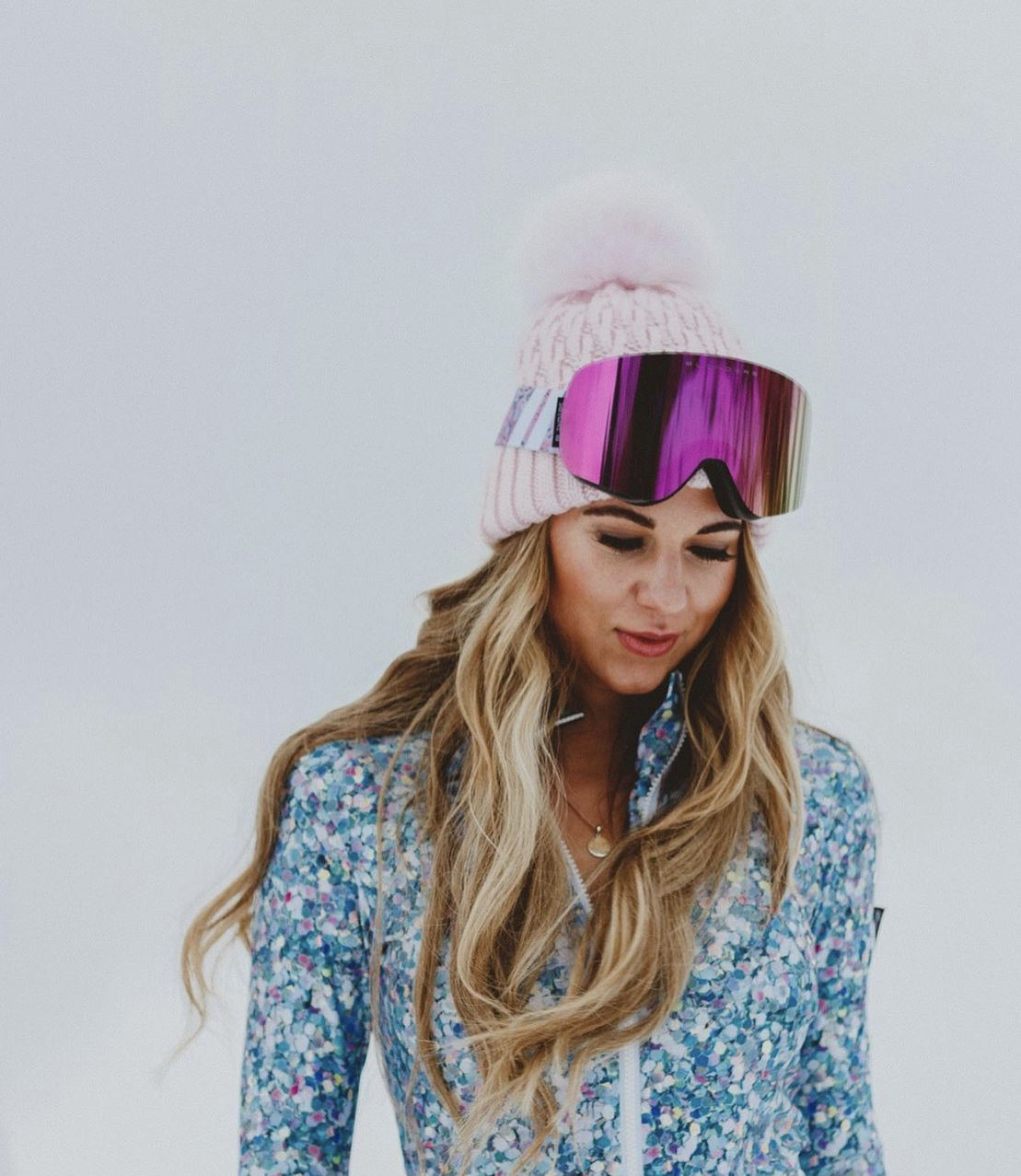
In Colorado's dry winter air, you can protect your hair by washing less often with cool water, sealing your ends with a lightweight oil, deep conditioning weekly, running a bedroom humidifier, and sleeping on silk. Extensions and color-treated hair need extra moisture, because heated indoor air here can drop to just 10 to 20 percent humidity. The good news: a few small habit changes keep your hair soft, shiny, and static-free all season, and none of them require harsh products or heat.
I have styled hair through a lot of Front Range winters, and I can tell you the dryness we deal with in Colorado is a different animal. It is not just cold, it is thirsty air that pulls moisture out of everything, including your strands.
At our elevation, the air already holds less moisture than it does at sea level. Then winter arrives, outdoor humidity plummets, and we crank the heat indoors. Heated indoor air can fall to just 10 to 20 percent relative humidity (Source: IAQ.Works, 2025, https://iaq.works/humidity/what-humidity-level-is-uncomfortable-guide-2/), which is far below what your hair and skin are comfortable with. For reference, the EPA recommends keeping indoor humidity between 30 and 50 percent (Source: U.S. EPA, https://www.epa.gov/indoor-air-quality-iaq/care-your-air-guide-indoor-air-quality). Most Colorado homes sit well under that in January.
When the air around your hair is drier than the hair itself, moisture wicks out of the shaft. The cuticle (the outer layer of each strand) lifts and roughens, which is why winter hair looks dull, feels brittle, and snaps more easily. That same dryness creates the static charge that makes flyaways stand straight up. For anyone who has invested in color or extensions, this is exactly when a little prevention pays off the most.
The simplest winter upgrade is to wash your hair less often and turn the water temperature down. Every wash strips some of your natural oils, and in dry air those oils are your best friend. Hot water opens the cuticle and speeds up moisture loss, so I ask clients to switch to lukewarm or cool water, especially for the final rinse.
For most people, two to three washes a week is plenty in winter. Reach for a sulfate-free shampoo, focus the lather at your scalp, and let the conditioner do the work through your mid-lengths and ends. On in-between days, dry shampoo at the roots keeps things fresh without a full strip.
Once you have washed gently, the goal is to seal moisture in and keep the dry air out. This is where the right products earn their keep.
After every wash, I apply a leave-in conditioner through damp mid-lengths and ends, then follow with a few drops of a lightweight oil to seal. The order matters: the leave-in adds water-based hydration, and the oil locks it in so the dry air cannot pull it back out. Keep the oil light and away from your scalp so hair still moves naturally. My go-to leave-in and finishing oil are the professional products I trust, and you can find them in our salon-quality hair product shop.
Once a week, swap your regular conditioner for a deep-conditioning mask and let it sit for 10 to 15 minutes. This is the single best thing you can do to reverse winter dryness before it turns into breakage. If your ends feel especially crispy after a ski week, add a second treatment. The mask I keep clients on through winter is one of the professional products I trust, available in our salon-quality hair product shop.
If I could give every Colorado client one piece of winter homework, it would be this: run a humidifier in your bedroom. You spend seven or eight hours a night breathing that heated, bone-dry air, and a simple humidifier brings the room back into a healthy range for both your hair and your skin. I tell clients to aim for somewhere in the middle of the EPA's recommended 30 to 50 percent window.
You do not need anything fancy. A small cool-mist unit on your nightstand makes a noticeable difference by the end of the first week. Your hair will feel softer in the morning and hold onto the moisture from your night-before routine.
Static is just dry hair holding an electrical charge with nothing in the air to neutralize it. To calm it down:
A quick pass of your palms with a single drop of oil, smoothed over the surface, tames flyaways without weighing hair down.
Extensions are real human hair, but they do not get the natural scalp oils your own hair does, so they dry out faster in winter air. If you wear Natural Beaded Rows hair extensions, treat them a little more gently than you would in summer. Keep them well conditioned mid-length to ends, always dry your wefts fully before bed to protect the beads and rows, and never sleep on wet hair.
The same moisture routine applies, just with more consistency: leave-in after every wash, weekly mask, and a light oil on the ends. If you are weighing your options, my guides on how much NBR extensions cost and the differences between hand-tied and machine wefts walk you through what to expect. I had a client last winter whose extensions were feeling dry and looking dull by midseason, and a small routine tweak turned it right around.
Color-treated hair is more porous, which means it loses moisture faster and can look faded when winter roughs up the cuticle. Cool-water washing helps enormously here, since hot water opens the cuticle and lets color molecules escape. Add a color-safe, sulfate-free shampoo and a weekly mask, and stretch time between washes so your tone stays true longer. A UV and heat protectant is not just a summer product: it shields color from harsh sun bouncing off the snow.
Colorado winters are made for the mountains, and your hair can come along without paying the price. Before you head up, work a little leave-in through your hair and braid it or tuck it into a loose, low style under your hat or helmet. Friction from dry beanies is a real static and breakage source, so a silk-lined hat or a smooth braid helps.
At altitude, the sun reflecting off snow is intense, so a lightweight protectant guards both color and moisture. When you get home, resist the urge to hop straight into a scalding shower. A cool rinse and a quick oil on the ends restores what the mountain air took.
As the first Colorado-certified NBR stylist, trained by NBR creator Danielle White at DKW Styling, my whole philosophy is anti-damage and zero-pressure. Winter here is demanding, but you do not need a shelf of products or a complicated ritual. Wash gently, seal in moisture, run a humidifier, and protect your investment in color and extensions with a little extra care. That is genuinely most of it. If your hair is feeling dry, dull, or fragile, please do not wait it out and hope it recovers on its own. I would rather help you course-correct early, and I promise you will never get a hard sell from me.
Why does my hair get so dry in Colorado winters?
Our high altitude means the air already holds less moisture, and heated indoor air can drop to 10 to 20 percent humidity (Source: IAQ.Works, 2025, https://iaq.works/humidity/what-humidity-level-is-uncomfortable-guide-2/). When the air is drier than your hair, moisture wicks out of the shaft and leaves it dull and brittle. Sealing in moisture and adding humidity to your home reverses most of it.
How do I stop static hair in winter?
Static comes from dry hair holding a charge, so the fix is more moisture and less friction. Use a boar-bristle or wood brush, sleep on silk, run a humidifier, and smooth a single drop of lightweight oil over the surface for stubborn flyaways. Avoiding high heat when styling helps too.
Does a humidifier really help my hair?
Yes, and it is one of my favorite tips. Heated indoor air often falls below the 30 to 50 percent humidity the EPA recommends (Source: U.S. EPA, https://www.epa.gov/indoor-air-quality-iaq/care-your-air-guide-indoor-air-quality). A bedroom humidifier keeps hair (and skin) from drying out overnight, so you wake up softer and less static-prone.
How do I care for extensions in winter?
Extensions do not receive your natural scalp oils, so they dry faster and need consistent moisture. Use a leave-in after every wash, a weekly mask, and a light oil on the ends, and always dry your wefts fully before bed. Never sleep on wet hair, which protects both the beads and the strands.
Does winter affect my hair color?
It can. Color-treated hair is more porous and loses moisture and tone faster when dry air roughens the cuticle. Washing in cool water, using color-safe sulfate-free products, and adding a weekly mask keeps your color looking fresh and vibrant longer.
Winter does not have to mean dry, fragile, static hair. If you would like a personalized plan for your hair, color, or extensions this season, I would love to book a free consultation with you and get you set up to feel your best all winter long.


